Source bathroom vanity with water blocking plate for Hotels, Spas, and Homes
Find and compare 30 bathroom vanity with water blocking plate options from verified suppliers. Evaluate materials like ceramic and marble, installation types, and customization features to select the right solution for your project.
Key considerations
Products List


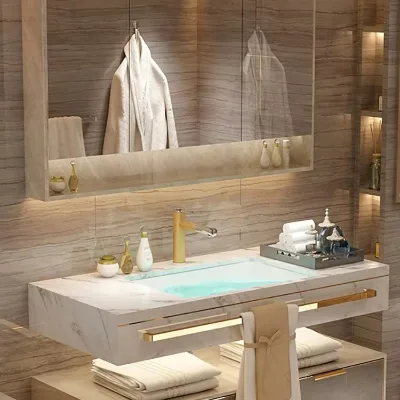


Comprehensive Sourcing Guide
Bathroom Vanity with Water Blocking Plate Sourcing Guide
Sourcing a bathroom vanity with a water blocking plate requires a precise understanding of how this specific feature integrates with the overall cabinetry design and installation method. The presence of a water blocking plate is a critical differentiator that separates units designed for high-moisture environments from standard vanity models. Buyers must verify whether the plate is an integrated structural component or an add-on accessory, as this distinction impacts the installation complexity and the long-term durability of the unit against water damage.
The decision to procure a model with this feature often hinges on the specific installation type, such as wall-mounted or floor-mounted configurations, and the material composition of the carcase. While some listings indicate a "Without Water Blocking Plate" option, others explicitly feature "With Water Blocking Plate" as a standard attribute, suggesting that this is a configurable option rather than a universal standard. Procurement teams must align their selection with the intended application, ensuring the chosen model supports the specific moisture management needs of the target bathroom environment.
Product Scope and Observed Listing Signals
The market for bathroom vanities presents a diverse range of product attributes, including variations in basin material, countertop composition, and carcase construction. Observed listings reveal that basins are frequently crafted from ceramics, while countertops may be made from marble or composite acrylic materials. The carcase itself shows significant variation, with suppliers offering options in solid wood, MDF, particleboard, or plywood, each carrying different implications for water resistance and structural integrity when paired with a water blocking plate.
Installation methods and style preferences further define the scope of available products, ranging from modern to classic designs. Some units are designed for wall mounting, while others are floor-mounted, and the inclusion of a mirror lamp or specific hardware brands like Blum or Hettich can influence the final selection. Buyers should note that while some products are listed as new, others may appear as used, and the availability of customization allows for tailored solutions that include specific water blocking configurations to meet unique project requirements.
Technical Specifications to Verify
When evaluating a bathroom vanity with a water blocking plate, the primary technical verification involves confirming the integration of the plate with the basin and countertop assembly. Buyers must ensure that the "With Water Blocking Plate" attribute is explicitly stated for the specific model, as the absence of this feature in other listings indicates a different design philosophy. The verification process should also include checking the notch configuration, such as single basin setups, to ensure the water blocking mechanism aligns with the sink geometry and prevents water from seeping into the cabinetry.
Material specifications for the carcase and countertop are equally critical, as the water blocking plate must be compatible with the surrounding materials to prevent delamination or swelling. The listed carcase materials include solid wood, MDF, and particleboard, and the buyer must verify that the chosen material can withstand the moisture exposure that the water blocking plate is designed to mitigate. Additionally, the door finish, which may be lacquer, PVC membrane, or melamine, should be inspected to ensure it provides a continuous seal around the water blocking area, maintaining the environmental friendliness and durability of the unit.
Compliance and Safety Documentation
While specific certification names are not universally listed in the provided data, the emphasis on "Environmental Friendly" features and "Eco-Environtment" advantages suggests that compliant products should adhere to standards regarding formaldehyde emissions and material safety. Buyers should request documentation that verifies the safety of the composite materials, such as MDF and particleboard, ensuring they meet relevant indoor air quality standards for bathroom furniture. The absence of explicit certification data in the source material necessitates a proactive approach where the buyer demands proof of compliance from the supplier before finalizing the order.
Safety documentation must also cover the structural integrity of the installation, particularly for wall-mounted units that rely on the water blocking plate to protect the wall surface. The "Shock-Proof Carton" and "Exported Standard Carton" packaging methods indicate a focus on protecting the product during transit, but the buyer must verify that the installation instructions include safety guidelines for securing the vanity to the wall or floor. Ensuring that the hardware, such as Blum or Hettich components, meets industry safety standards is essential for the long-term reliability of the vanity, especially in high-traffic commercial applications.
Cost Drivers and Commercial Terms
The cost of a bathroom vanity with a water blocking plate is influenced by several factors, including the choice of carcase material, countertop composition, and the level of customization required. Listings indicate a wide price range, and the inclusion of advanced features like a water blocking plate, specific hardware brands, and custom designs can significantly drive up the unit cost. Buyers should anticipate that models with solid wood carcases and marble countertops will command a higher price point compared to those utilizing MDF or particleboard, even when the water blocking feature is present in both.
Commercial terms such as lead time and minimum order quantity (MOQ) are critical variables in the procurement process. The observed lead times range from 30 days after receiving a deposit to 35-50 working days, depending on the complexity of the customization and the supplier's capacity. The MOQ varies between 1 and 100 units, allowing for flexibility in order size, but buyers must factor in the potential for longer lead times when ordering customized models with specific water blocking configurations. Understanding these terms helps in planning the project timeline and managing cash flow effectively.
Supplier Qualification and Quality Control
Supplier qualification should focus on verifying the consistency of the "With Water Blocking Plate" feature across different production batches, as this is a specific attribute that may not be present in all units from a single supplier. The presence of multiple product models, such as 2025122501 through 2025122507, suggests a range of options, but the buyer must ensure that the specific model selected consistently includes the water blocking plate and meets the stated material specifications. Quality control checks should include a physical inspection of the water blocking plate's fit and finish to ensure it effectively seals the basin area without gaps.
The supplier's capacity and location are also key indicators of their ability to deliver consistent quality. With a stated capacity of 1000 pieces per month and origins in locations like Guangdong and Foshan, China, suppliers have the infrastructure to handle large orders, but the buyer must verify their track record for maintaining quality standards. The availability of after-sale services, including online technical support and free spare parts, is a strong indicator of a supplier's commitment to long-term quality. Buyers should prioritize suppliers who offer project solutions like graphic design and 3D model design to ensure the final product meets the exact specifications required.
Long-Term Procurement Checks
Long-term procurement success depends on establishing a clear protocol for verifying the durability of the water blocking plate and the overall moisture resistance of the vanity. Buyers should implement a schedule for periodic inspections of the installed units to check for signs of water damage, sealant degradation, or material swelling, particularly in high-humidity environments. The "Environmental Friendly" and "Durable" attributes listed in the product data should be validated through real-world performance data, ensuring that the vanity maintains its structural integrity and aesthetic appeal over time.
Maintaining a relationship with the supplier for ongoing support and spare parts is essential for the longevity of the procurement. The availability of free spare parts and online technical support indicates a supplier that is prepared to assist with maintenance issues, but the buyer must ensure that these services are accessible and responsive. Regular communication with the supplier regarding any changes in material standards or manufacturing processes will help the procurement team stay ahead of potential quality issues. By focusing on these long-term checks, buyers can ensure that the bathroom vanities with water blocking plates continue to perform effectively throughout their intended lifespan.
FAQs
What is the function of a water blocking plate in a bathroom vanity?
A water blocking plate prevents moisture from seeping into the cabinet structure. It is typically installed between the countertop and the basin to protect the wood or MDF material from water damage and extend the lifespan of the vanity unit.
Can bathroom vanities with water blocking plates be customized?
Yes, many suppliers offer customization options for these vanities. Buyers can request specific dimensions, door finishes like lacquer or PVC membrane, and hardware brands such as Blum or Hettich to match their interior design requirements and functional needs.
What materials are commonly used for the carcase of these vanities?
The carcase is often made from solid wood, MDF, particleboard, or plywood. Solid wood offers durability, while MDF and particleboard provide cost-effective options. The choice depends on the desired aesthetic, budget, and moisture resistance requirements.
How long is the typical lead time for custom bathroom vanities?
Lead times for custom bathroom vanities with water blocking plates generally range from 30 to 50 working days. This duration accounts for material preparation, manufacturing, quality control, and packaging. Specific timelines may vary based on order volume and customization complexity.
What packaging methods are used for shipping these vanities?
Standard packaging includes shock-proof cartons, wooden boxes, or foam combined with cartons and pallets. These methods protect the vanity from damage during transit. Exported standard cartons are commonly used to ensure safe delivery to international buyers.
Which installation types are available for bathroom vanities with water blocking plates?
These vanities can be installed as wall-mounted or floor-mounted units. Wall-mounted options save floor space and are easier to clean, while floor-mounted units provide greater storage capacity. The choice depends on the bathroom layout and user preference.
What after-sale services are typically provided by suppliers?
Suppliers often provide online technical support and free spare parts. This ensures that buyers can resolve installation or usage issues promptly. Reliable after-sale service is crucial for maintaining the functionality and longevity of the bathroom vanity.